Importance of Strategic Human Resource Management (SHRM) to the Organisation
Importance of Strategic Human Resource Management (SHRM) to the Organisation

What is Strategic Human Resource Management
Strategic Human Resource Management (SHRM) was firstly discovered by Boxall (1996) as the interface between Human Resource Management (HRM) and Strategic Management (SM). Defined SHRM as the process to ensure the key resources of HRM are handled strategically to achieve the organizational goals (Armstrong ,2020). Solving Human Resources issues strategically means deciding what need to be done now and for the future aligned with the business strategy.
Strategic SHRM Process
Describes the SHRM process with his Strategic Process Model. It links people management and develops, strategic practices (fig,01) The main activities of SHRM are finding the exact business, forming strategies according to the vision, having a purpose with a long term direction and establishing a mission to accomplish (Thompsan and Strickland, 1996). SHRM build the resource base while focusing on the organizational strategies and the mission. Managers need to have a long term view of where the business is headed. They are responsible
for planning resource allocations, implementing strategies and managing functions. A strategy defines long term goals, recognizes organizational capability and aims to meet the strategic fit, the organizational strategy and external, internal strategies.
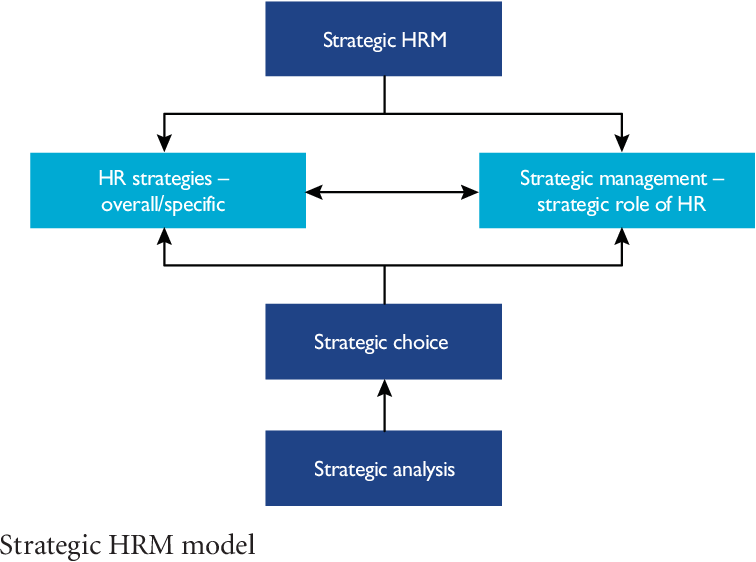
Fig.01, Strategic HRM Model (Armstrong, 2020)
HR Strategy criteria
- Aligned with corporate goals
- Set clear aims
- Support business needs as well as the employees
- Contains realistic plans
SHRM Guidelines
- Be precise on what needed to be achieved and why
- Ensure all the actions are fitted to the culture, circumstances, business strategy and the culture
- Aim for constant improvement
- Be unique
- Keep simple
- Take time to rethink
- Assess the resources and the cost
- Manage changes
SHRM and Organization
SHRM can influence achieving organizational goals with a focused HRM plan. It concerns activities and employee issues. Jedaiah and Albdareen (2020) state that when human resources go missing the whole organization falls behind. Their research shows organizations with SHRM trained managers reached excellence, followed by organizational development, career development and recruitment development. SHRM significantly helped the organization to understand its unique strategies and build competitive advantage and sustainable HRM (Paauwe and Farndale, 2017). Below approaches improve organizational productivity.
- Aligning Human Resource activities
- Outsourcing operations internationally
- Restructuring the organization
- Re-designing the work
SHRM and World
SHRM frameworks applied to organizations and industries influenced performance and productivity rapidly nationally and multi-nationally (Paauwe and Farndale, 2017). Patrick et al (2005) had come up with suggestions and insights to move forward with SHRM towards globalization. Sysco, Corporation, one of the largest foodservice in the world, designed and adopted A high-performance SHRM system and they could obtain a full per cent difference in their profit margin within fifteen months (Wright, 2005).
Importance of Strategic Human Resource Management (SHRM)
Companies become successful when their teams work towards common goals and objectives. They follow the same passion and contribute towards it. Every month or year, some employees resign, some retire, and some are laid off by the companies for various reasons. These employees are then replaced with new employees. However, replacing employees is not an easy task. It follows a proper structure and strategies on how to hire the right candidates, analyze the performance and their commitment towards the company’s goals, and various other factors. To smoothen the process, the Strategic Human Resource Management Programme comes into play.

Let us look at the objectives of the Strategic Human Resource Management and analyze how the programme can help you recover the great attrition in the concept:
• Dynamic Business Environment
The Strategic Human Resource Management Programme is the best HR course that will help you create a dynamic business environment in your organization to maintain a good culture. It will help you challenge and analyze the various strategies that you can use to maintain a good culture for your employees.
• Goals and objectives
The programme offered by the IIM Trichy helps HR managers to focus and align their interests on the objectives and goals of the organization. It further also helps them determine the right candidates for the job role that can contribute to the goals and objectives of the company.
• Dimensions of HRM
The Strategic Human Resource Management Programme helps working professionals to develop skills that strategically align with the different functional dimensions of Human Resource Management. It requires a proper and strategic plan for the alignment but works well if paired with the HR Management Courses.
Conclusion
The aim of SHRM is to build strategic capability by ensuring well-motivated, committed and skilled employees are in the organization to reach sustained competitive advantage. The organization needs to understand where the strategies are coming from and how to connect with the stakeholders to succeed in strategic human resources. Strategic Human Resources can be used in different activities like training, recruiting, and rewarding.SHRM directly make an impact on the company's growth.
References
Armstrong, M. (2020) Armstrong's handbook of strategic human resource management. 7thed. London: Kogan Page.
Boxall, P. (1996) 'The strategic hrm debate and the resource-based view of the firm', Human Resource Management Journal, 6(3), pp. 59-75.
Jedaiah, A. and Albdareen, R.(2020) 'The effect of strategic human resource management(SHRM) on organizational excellence', Problems and perspectives in management, 18(4), pp.49-58. Available at:https://businessperspectives.org/journals/problems-and-perspectives-in-management/issue-365/the-effect-of-strategic-human-resources-management-shrm-on-organizational-excellence
Paauwe, J. and Farndale, E. (2017) Strategy, HRM and Performance: A contextual Approach, Oxford: Oxford University Press.Available at:http://0web.a.ebscohost.com.emu.londonmet.ac.uk/ehost/ebookviewer/ebook/bmxlYmtfXzE2MzA3NjlfX0FO0?sid=ddfdfd42-b470-4fdf-b5cb-0db5277c3443@sdc-v-sessmgr02&vid=0&format=EB&lpid=lp_116&rid=0
Patrick, M., Wright, Scott, A., Snell and Lee, D. (2005) 'New models of strategic HRM in a global context', International Journal of Human Resource Management, 16(6), pp.875-881.
Thompson, A., Strickland, A., (1996) Strategic Management: Concepts and cases. New York: McGraw hill.
Wright, P. (2005) Human Resource Strategy. California: SHRM Foundation.


Got a good understanding on SHRM by reading this article. As you correctly said Strategic human resource management generally includes the alignment of human resource policies with the overall organizational missions and goals, as well as the link between internal or technical practices of human resource management with the organizational business competitive strategies which will ultimately enhance the organization's objectives
ReplyDeleteyour highlighted the importance of Strategic Human Resource Management (SHRM) as a crucial driver of organizational success. One key argument is that SHRM aligns HR practices with long-term business goals, helping organizations achieve sustained competitive advantage.
ReplyDeleteBy aligning HR strategies with corporate objectives, organizations can ensure they are well-equipped to manage resources, support employee needs, and foster a productive culture. The piece also rightly emphasizes that SHRM enhances productivity, organizational development, and adaptability to global standards, ultimately positioning HR as a strategic partner in business growth.
Great insights on the impact of SHRM on organizational resilience!
I appreciate your insightful comments. I'm happy the article struck a chord with you. Long-term success and organisational resilience are mostly fuelled by SHRM.
DeleteThe importance of Strategic Human Resource Management (SHRM) in coordinating HR procedures with corporate objectives is emphasized in this article. By emphasizing talent development, employee engagement, and strategic planning, SHRM assists businesses in boosting output, encouraging innovation, and preserving a competitive edge. It emphasizes how successful SHRM creates a knowledgeable, driven staff that contributes to long-term success.
ReplyDeleteI appreciate your comment. I absolutely agree that developing a knowledgeable, motivated staff that fosters innovation and guarantees long-term success requires effective SHRM.
DeleteYou have highlighted how SHRM plays a pivotal role in aligning HR practices with organizational goals to foster a competitive advantage. It emphasizes the strategic integration of human capital into the business strategy, ensuring that the right people with the right skills are in place to drive long-term success. SHRM is not just about managing people; it’s about using HR practices as a tool to achieve organizational objectives, improve productivity, and adapt to a dynamic business environment.
ReplyDeleteI appreciate your insightful comments. I'm happy that SHRM's function in coordinating human resources with organisational objectives to promote success and flexibility was well communicated in the article.
DeleteYour discussion highlights the importance of strategic human resource management (SHRM) to the organization. Aggregating to the above, according to Wright and McMahan (1992), SHRM enables organizations to integrate HR policies with strategic objectives, creating a workforce that is not only skilled but also strategically positioned to meet the company’s long-term goals. This alignment enhances organizational agility and adaptability in a dynamic business environment. Furthermore, Huselid (1995) highlights that SHRM practices, such as talent development, performance management, and employee engagement, directly impact productivity and financial performance. By fostering a high-performance culture, SHRM contributes to greater employee satisfaction and retention, strengthening the organization's core.
ReplyDeleteI appreciate your thoughtful remark. I concur that using SHRM to align HR policies with business goals is crucial to developing a knowledgeable, adaptable staff and achieving long-term organisational success.
DeleteIt covers the contribution of SHRM toward productivity enhancement, organizational resilience, and adaptability because of strategic talent management and employee engagement through the support of global standards. This would help bring about a skilled and motivated workforce in organizations for secured growth on a sustained basis.
ReplyDeleteThe report emphasises how SHRM promotes a competent, driven staff for long-term organisational growth by bringing talent management and engagement into line with international norms, which in turn boosts productivity and resilience.
Delete